
Introduction: The Timeless Appeal and Technical Reality of Vulcanization
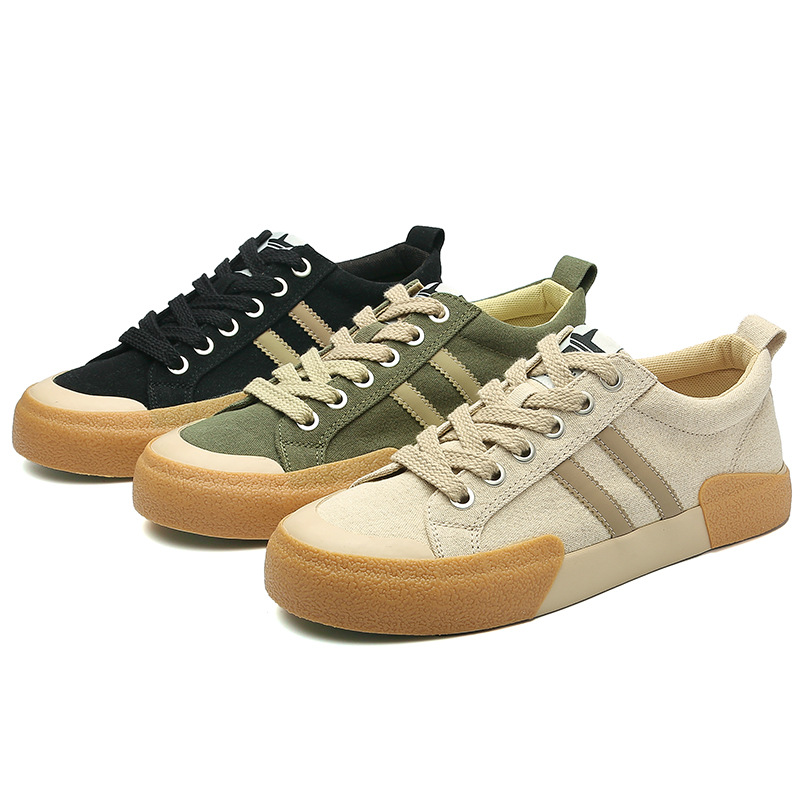
In the global footwear market, trends are notoriously fickle. One year, chunky “dad shoes” dominate the runways; the next, ultra-minimalist tech-runners take over. However, there is one silhouette that has remained virtually unchanged and consistently profitable for over a century: the vulcanized canvas sneaker.
From the basketball courts of the 1920s to the skate parks of the 1970s and the high-street boutiques of today, icons like the Vans Old Skool and the Converse Chuck Taylor have proven that vulcanized construction is the bedrock of the sneaker industry. For a brand founder or a procurement director, adding a vulcanized line to your collection is a move toward “evergreen” inventory.
But here is the “Shoe Dog” reality: Vulcanization is not just a style; it is a high-heat chemical process that is notoriously unforgiving. Unlike cold cement construction, where you can glue almost any material together, vulcanization is a “jealous” mistress. It demands specific heat-resistant materials, specialized heavy machinery, and a deep understanding of polymer chemistry.
If you approach a vulcanized project with a standard assembly-line mindset, you are headed for a production disaster—melted eyelets, scorched canvas, and soles that peel off within weeks. At Jinhua Shoes, we believe that a successful B2B partnership starts with technical transparency. This guide dives into the molecular soul of the vulcanized process, the 8 stages of production, and the critical design constraints every professional buyer must master.
Part 1: Beyond the Aesthetic – What is “Vulcanization” at a Molecular Level?
To the average consumer, a vulcanized shoe is defined by the thick rubber tape (the foxing) wrapped around the edge. To a manufacturing expert, it is defined by cross-linking.
In its raw, “green” state, natural rubber is gummy, unstable, and highly sensitive to temperature. It becomes brittle in the cold and melts into a sticky paste in the heat. In 1839, Charles Goodyear discovered that by mixing raw rubber with sulfur and subjecting it to intense heat and pressure, a chemical transformation occurs.
During the autoclave process, the sulfur atoms create chemical “bridges” between the long polymer chains of the rubber. This is cross-linking.
The Result: The rubber transforms from a weak, plastic-like substance into a tough, resilient, and highly elastic material.
The Bond: Because the rubber is wrapped around the canvas upper while still uncured, it literally melts into the fibers of the textile during the “bake.” They don’t just stick together; they become a single, inseparable unit. This is why a well-made vulcanized shoe almost never suffers from the sole separation issues common in cheap glued footwear.
Part 2: The Designer’s Minefield – Why Material Choice is Your Biggest Risk
This is the most critical section for any B2B buyer. In private label sneaker production, the #1 cause of factory rejection or mass-production failure is the selection of non-compliant materials. A vulcanized shoe must survive a “torture chamber”—the pressurized oven.
1. The Heat Resistance Rule (The 130°C Barrier)
A typical vulcanized shoe is baked at temperatures ranging from 110°C to 160°C (230°F – 320°F) for 60 to 90 minutes.
The “No-Go” List: You cannot use Nylon, Polyester, or low-grade synthetic leathers (PU/PVC). They will shrivel, lose their color, or melt entirely. Most importantly, you cannot use standard EVA or PE foams for cushioning. The heat will cause the air bubbles in the foam to expand and burst, leaving the insole flat and hard.
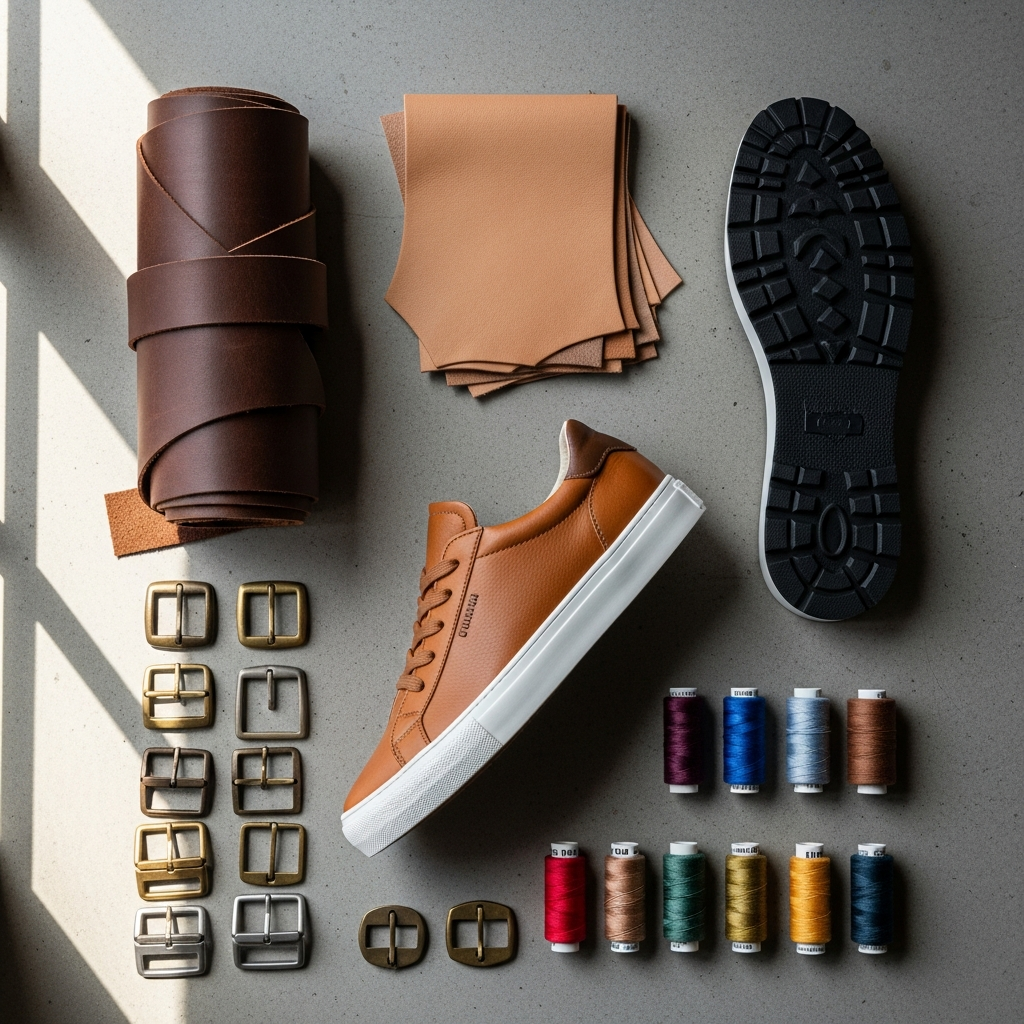
The “Safe” List: Uppers must be made of high-grade cotton canvas (specifically Number 10 or 12 duck canvas), genuine suede, or high-quality “vulcanizable” leather. All hardware, such as eyelets and aglets, must be metal. Plastic trims are strictly forbidden.
2. The Rubber Shelf-Life Factor
Uncured rubber components have a “ticking clock.” Once our rubber mills prepare the sheets and the foxing tape extruder produces the wrap, they must be used within 48 to 72 hours. If the rubber sits too long, it begins to oxidize and partially cure (pre-vulcanization). If we bake “old” rubber, the chemical cross-linking won’t be complete, and the sole will peel. This requires a level of production planning and supply chain synchronization that many smaller factories simply cannot handle.
Part 3: The 8-Stage Journey Inside a Vulcanization Factory
Understanding the workflow is essential for managing your lead times and quality expectations. Here is how we build a classic sneaker at Jinhua Shoes.
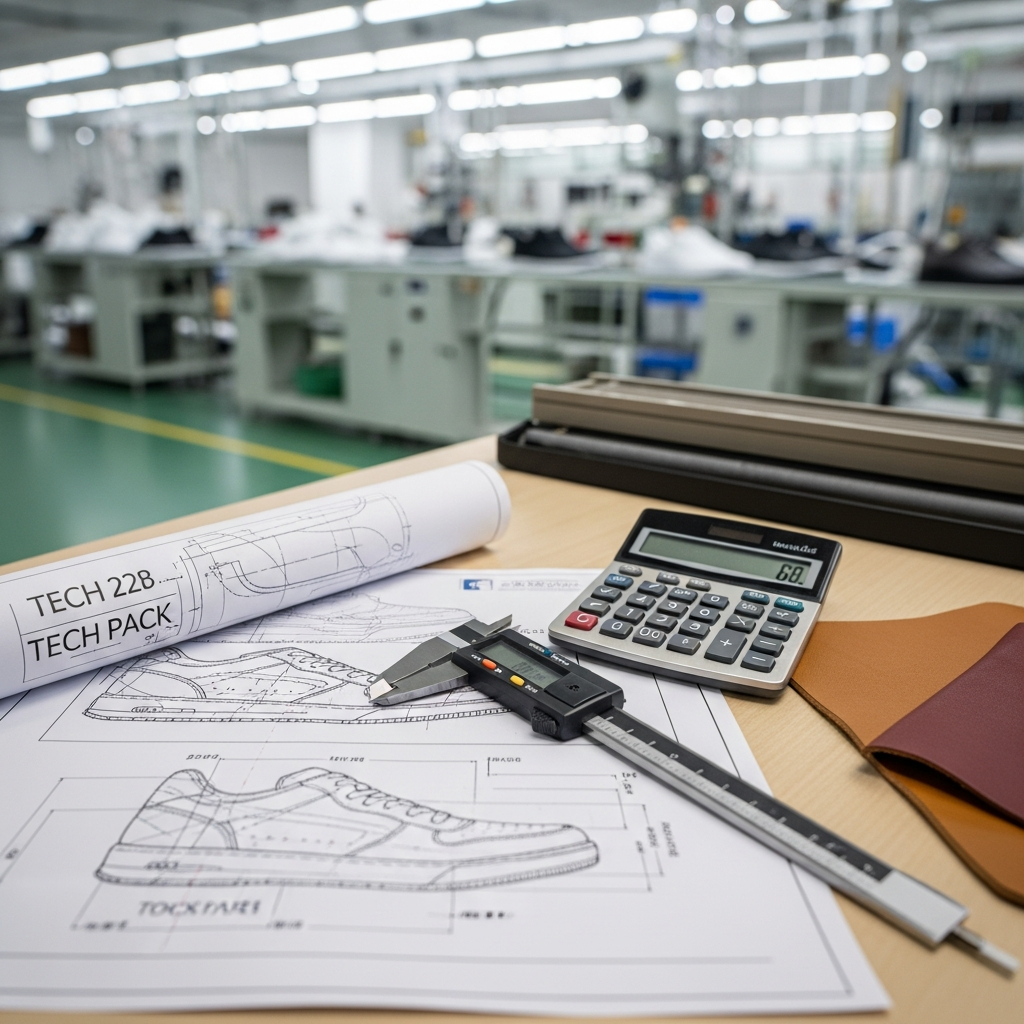
Stage 1: Technical Design & CAD
We start by adjusting your Tech Pack for “shrinkage.” Cotton canvas and rubber both contract slightly during the bake. Our engineers use CAD software to ensure the final shoe matches your sizing chart after it comes out of the oven.
Stage 2: Material Preparation
Canvas and leather are cut using precision steel dies. Unlike leather shoes, where we use plastic reinforcements, in vulcanization, the toe caps and heel counters are made of thin sheets of uncured rubber.
Stage 3: Upper Assembly
The uppers are stitched using high-heat-resistant threads. Any branding—such as a woven tongue label—must be tested for colorfastness under high temperatures.
Stage 4: Rubber Compound Mixing
This is the “secret sauce.” We mix natural rubber with sulfur, accelerators, and pigments to create your brand’s specific color and grip profile. We then roll this into sheets for the outsole and the foxing tape.
Stage 5: Lasting
The stitched upper is pulled over a metal last (or a specialized high-heat plastic last). Metal lasts are preferred because they conduct heat evenly, ensuring the rubber cures at the same rate on the inside and outside.
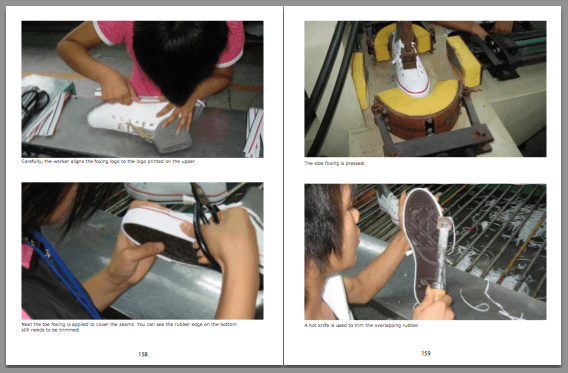
Stage 6: The Foxing Wrap (The Hand-Crafted Stage)
This is where the iconic look is created. A worker manually applies the foxing tape around the edge of the shoe. This requires immense skill to ensure the tape follows the curve of the last without wrinkling. The “overlap” at the heel is the hallmark of a true vulcanized shoe.
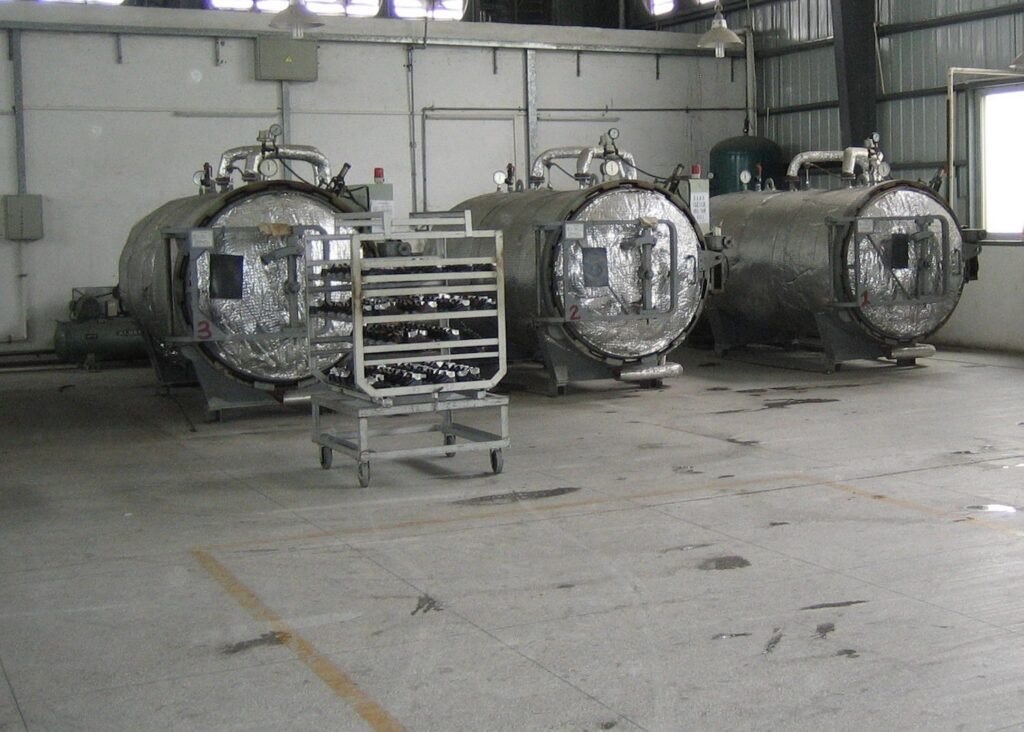
Stage 7: The Bake (The Autoclave)
The lasted shoes are loaded onto racks and pushed into the Autoclave. We pump in steam and pressure. For the next 80 minutes, the chemical magic happens. We monitor the pressure gauges constantly; a 5-degree drop can ruin the entire batch.
Stage 8: Finishing & Detailing
Once cooled, the shoes are removed from the lasts. We trim excess rubber, insert the memory foam or PU insoles, and lace them up. Every pair undergoes a Peel Test to ensure the bond is permanent.
Part 4: Specialized Infrastructure – Why Factory Choice Matters
A common mistake for B2B buyers is assuming any shoe factory can make vulcanized sneakers. They cannot.
The equipment required—Autoclaves, Foxing Extruders, Rubber Calenders, and Open Mills—is massive, expensive, and requires a specific factory permit due to the steam and chemical requirements. You will rarely find a factory that does both Vulcanization and Cold Cementing under one roof. They are two different worlds. When sourcing, always ask for a video of the autoclave room. If they don’t have one, they are a middleman.
Frequently Asked Questions (FAQ)
Q1: Why is the MOQ for vulcanized shoes usually 1,000 pairs?
A: It is a matter of energy efficiency. An autoclave is a massive industrial oven. Running it for only 100 pairs is prohibitively expensive in terms of electricity and steam. To give you a competitive FOB price, we need to fill the racks.
Q2: Can I use recycled materials in a vulcanized shoe?
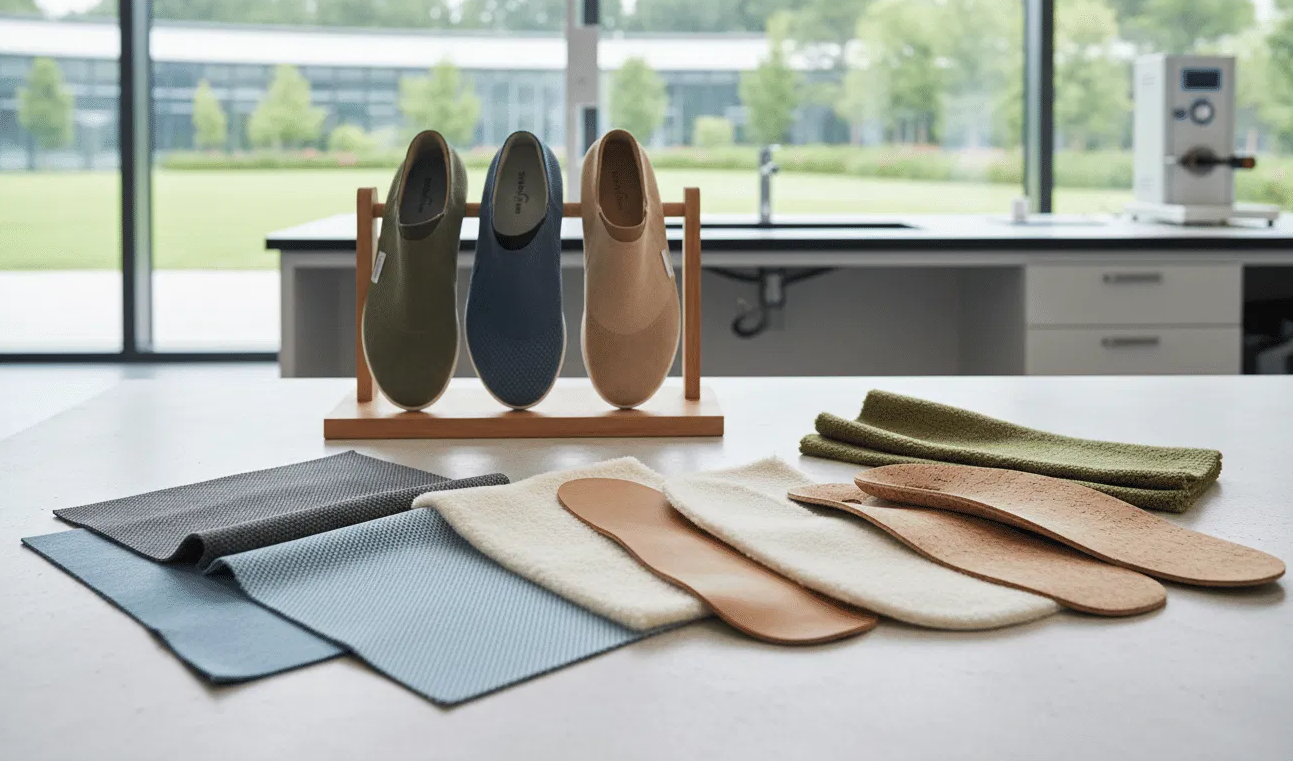
A: Yes. We can use recycled rubber for the outsoles and organic cotton for the uppers. Vulcanization is actually one of the more “eco-friendly” traditional methods because it uses fewer toxic solvent-based glues than cementing.
Q3: Why do new vulcanized shoes have a specific smell?
A: That is the scent of natural rubber and sulfur. It is often called the “smell of quality” in the sneaker world and is a sign that the chemical cross-linking was successful.
Q4: Are vulcanized shoes heavier than other sneakers?
A: Yes. Because they use solid natural rubber rather than air-filled EVA foam, they have a more substantial, “premium” weight. This is a major selling point for heritage and workwear brands.
Q5: Can I have a custom logo on the sole?
A: Absolutely. We can create a custom outsole mold with your logo, or apply a rubber “license plate” patch to the heel foxing that fuses permanently during the bake.
Q6: Is it possible to make waterproof vulcanized shoes?
A: While the rubber sole is 100% waterproof, the canvas upper is not. However, we can apply a DWR (Durable Water Repellent) coating to the canvas after the vulcanization process.
Q7: What is the difference between a “Cupsole” and a “Vulc” shoe?
A: A cupsole is a pre-molded rubber “cup” that is glued to the upper (Cold Cement). It offers more cushioning but less flexibility. A “Vulc” shoe is wrapped in tape and baked, offering superior flexibility and “board feel.”
Q8: Can I use leather uppers for vulcanized shoes?
A: Yes, but it must be high-grade leather that hasn’t been treated with low-melt waxes or oils. Suede is particularly popular for vulcanized skate shoes because of its heat resistance and durability.
Q9: How do you prevent the white rubber from turning yellow?
A: We use high-quality anti-UV agents in our rubber compound and ensure the autoclave temperature is strictly controlled to prevent scorching the rubber.
Q10: What is a “Peel Test” in quality control?
A: We use a machine to pull the rubber foxing away from the canvas with measured force. In a successful vulcanized shoe, the canvas fibers will tear before the rubber separates. If the rubber peels off cleanly, the “bake” failed.
Conclusion: Building a Legacy with the Right Partner
The vulcanized canvas sneaker is more than a fashion staple; it is a high-margin, low-risk addition to any footwear brand’s portfolio. Its durability and classic aesthetic ensure that it won’t end up in the “clearance bin” at the end of the season.
However, the success of your collection depends entirely on your manufacturer’s respect for the science of the bake. Don’t let your designs melt or your soles peel because of a lack of technical expertise.
– Send us your Tech Pack today. Let’s review your material choices and ensure your next collection is autoclave-ready.
 EN
EN  DE
DE  FR
FR  ES
ES  IT
IT  SV
SV  NB
NB  NL
NL  PL
PL  PT
PT  CS
CS  FA
FA  AR
AR  TR
TR  RU
RU  EL
EL  JA
JA  ID
ID  KO
KO