
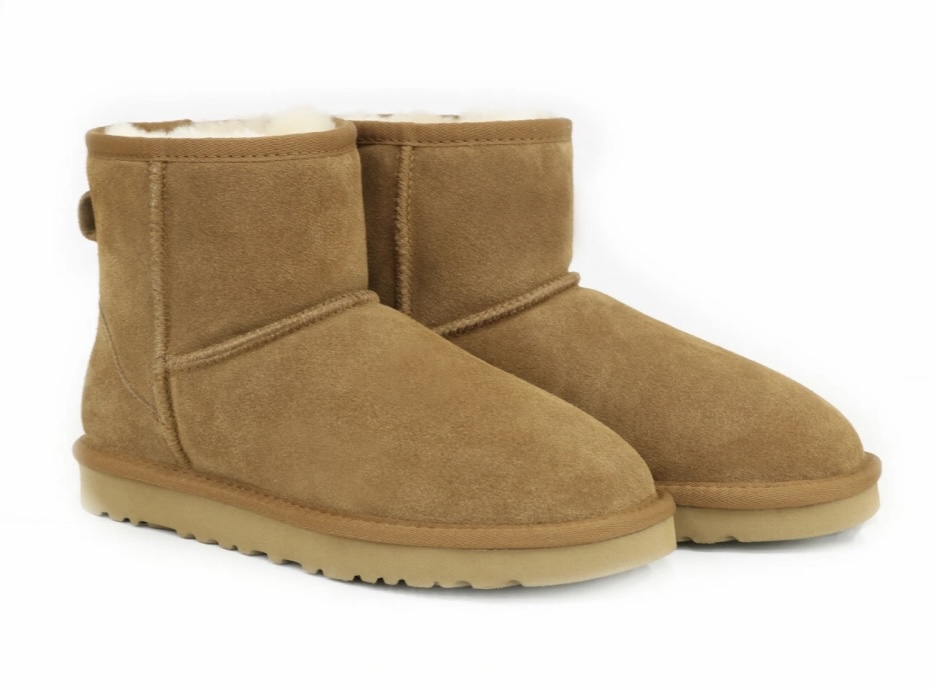
In the world of premium winter footwear, one term reigns supreme: Double Face Shearling. To the end consumer, it represents that famous “walking on clouds” sensation. But to a footwear brand founder or procurement director, it represents a complex supply chain challenge.
Let’s be honest about the market reality. The term “shearling” is used very loosely today. Many suppliers offer “Bonded Shearling”—a cheap process where a layer of wool fabric is glued to a low-grade suede backing. On day one, it looks identical to the real thing. But by day thirty, the glue fails, the breathability vanishes, and your customers start returning the boots.
If you want to build a brand that commands premium retail prices, you cannot fall into the bonding trap. True Double Face (or Twinface) is not a bonded material. It is a single, continuous hide where the wool side and the suede side are naturally grown together.
Building a high-end footwear brand requires more than just a good design. It requires a deep understanding of tanning physics, material science, and boot construction. This guide is a deep dive into the genuine double face manufacturing process, designed to help you identify true quality and protect your brand’s reputation.
What is Genuine Double Face?
The strategic value of double face sheepskin lies in its biological integrity. Because the wool and the skin are one single unit, the material acts as a natural thermostat. The hollow fibers of the wool wick moisture away from the foot, while the skin provides a breathable, durable barrier against the cold.
Why is it so expensive to source? First, there is raw material scarcity. Only a small percentage of sheepskins—primarily Australian Merino—have the density and skin clarity required for double face production.
Second, the tanning complexity is high. Unlike standard leather, the tanning process must treat the skin perfectly without damaging the delicate wool fibers attached to it. Also, because we cannot hide defects with an internal fabric lining, any scar or scratch on the hide results in wasted material. Choosing double face is a strict commitment to the luxury segment.
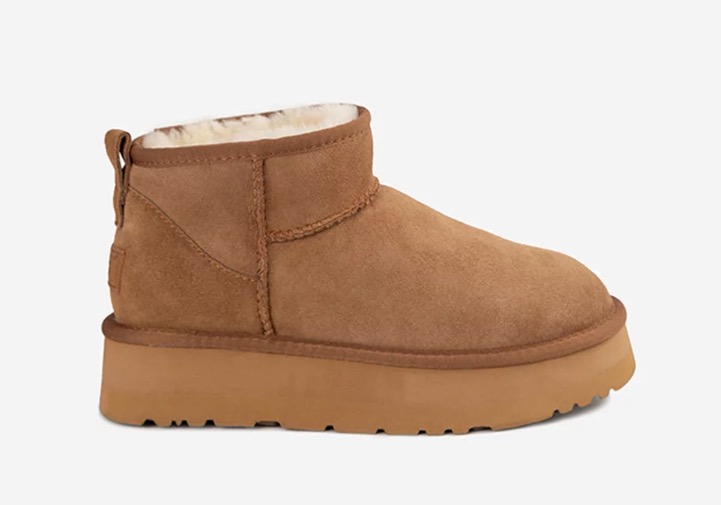
The Sourcing Trap: Natural Bond vs. Glue Bond
As a B2B buyer, you must know how to audit your pre-production samples. Here is the technical breakdown of the two construction methods you will encounter:
Genuine Twinface (The Natural Standard)
In this process, the hide undergoes a treatment called fatliquoring to restore its tensile strength. The wool side is polished over heated rolls and sheared to a uniform length.
The Test: If you pinch and pull the wool, the skin should move with it. There is no gap or layer between the two.
The Benefit: Maximum breathability and zero risk of delamination (peeling).
Bonded Shearling (The Industrial Alternative)
This involves taking a cheap suede and using a 3D glue to attach a synthetic or low-grade wool pile fabric.
The Trap: It feels stiffer and heavier in the hand. Over time, the adhesive creates a vapor barrier. This traps sweat, making the boots smell bad. Worse, in freezing temperatures, the glue becomes brittle and cracks, causing the wool to separate entirely from the suede.
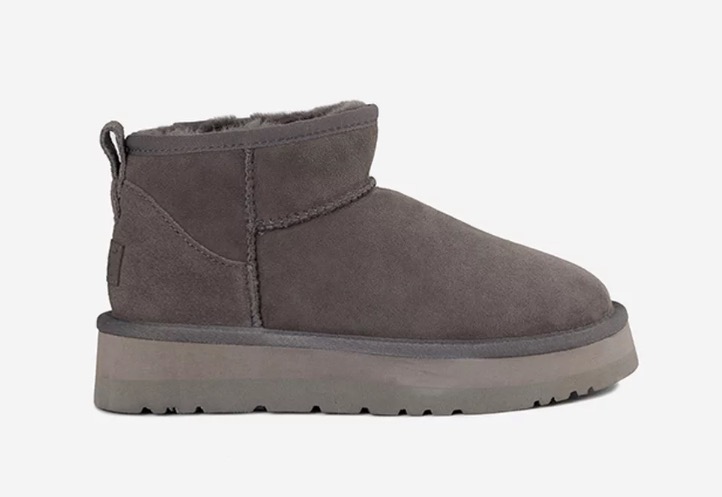
The Anatomy of a Premium Boot: Beyond the Leather
Premium leather is useless if the boot itself is poorly constructed. When negotiating with a custom winter boots manufacturer, you need to check two critical structural components.
The Outsole Debate: EVA vs. TPR
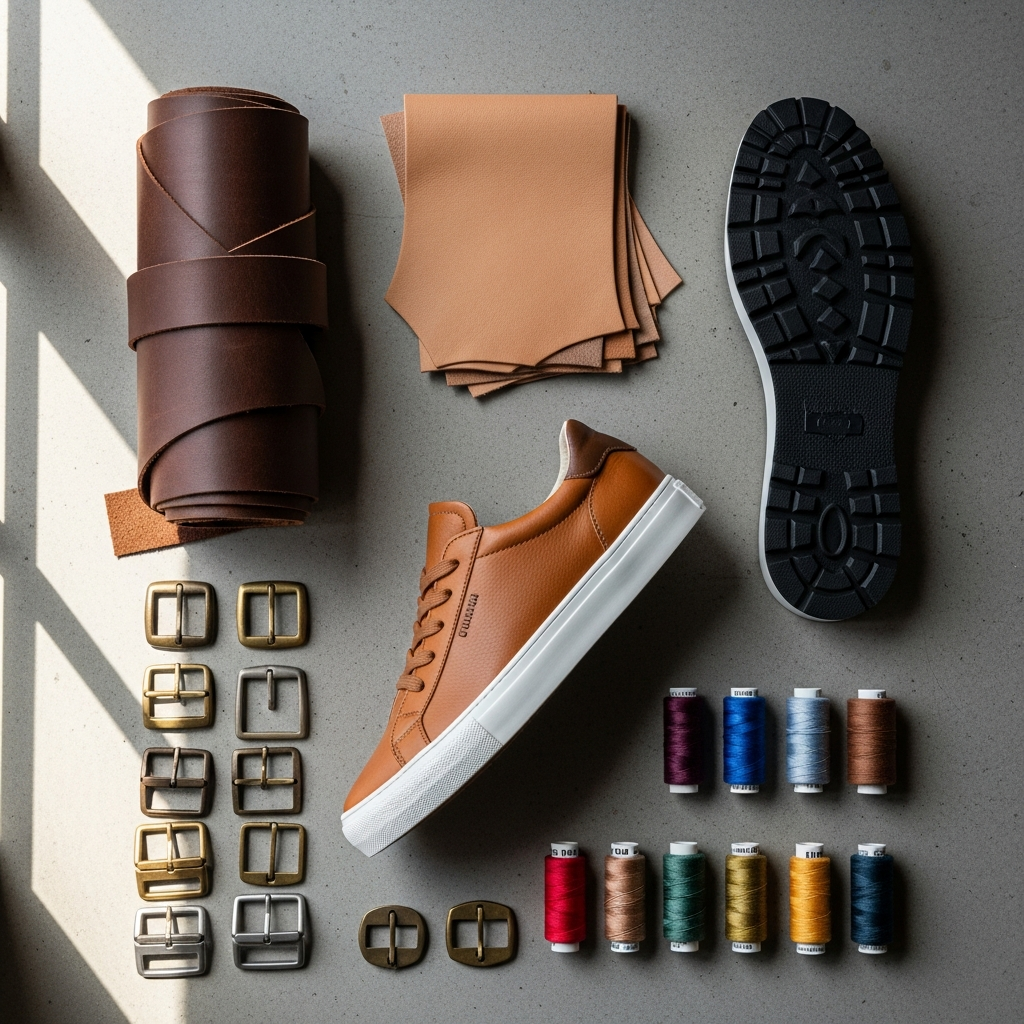
The sole determines how long the boot lasts. Most high-end factories use either EVA (Ethylene-Vinyl Acetate) or TPR (Thermoplastic Rubber). EVA is incredibly lightweight, making it perfect for classic indoor-outdoor styles. But if your target market lives in areas with heavy snow or icy sidewalks, you should specify TPR or a rubber-EVA blend. TPR provides superior grip and abrasion resistance, ensuring the heel doesn’t wear down unevenly.
The Unsung Hero: Reinforced Heel Counters
Have you ever seen someone walking in cheap sheepskin boots where the heel has completely collapsed inward? That happens because the factory skipped the heel counter to save a few cents. A premium boot always features a moulded back counter hidden between the suede and the inner heel patch. This keeps the customer’s foot properly aligned and maintains the boot’s shape for years.
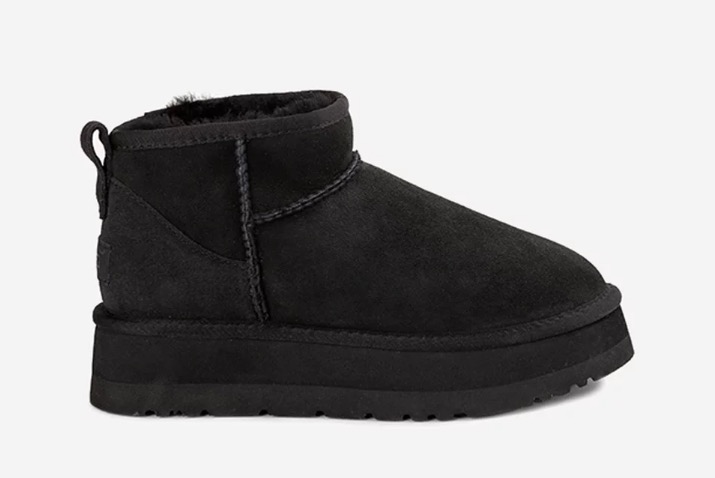
Inside the Tannery: The 5-Step Finishing Process
At top-tier facilities, the hide must pass rigorous protocols to be considered “Footwear Grade.”
Step 1: Selection & Grading.
Raw skins are sourced based on Micron Count (wool softness) and density. For boots, you need a high-density pile that won’t “bottom out” or flatten after a week of wear.
Step 2: Eco-Tanning & Fatliquoring.
The best factories use chrome-free or low-chrome tanning agents to meet strict EU REACH standards. Fatliquoring ensures the suede side remains supple and doesn’t crack during the shoe assembly process.
Step 3: Polishing & Shearing.
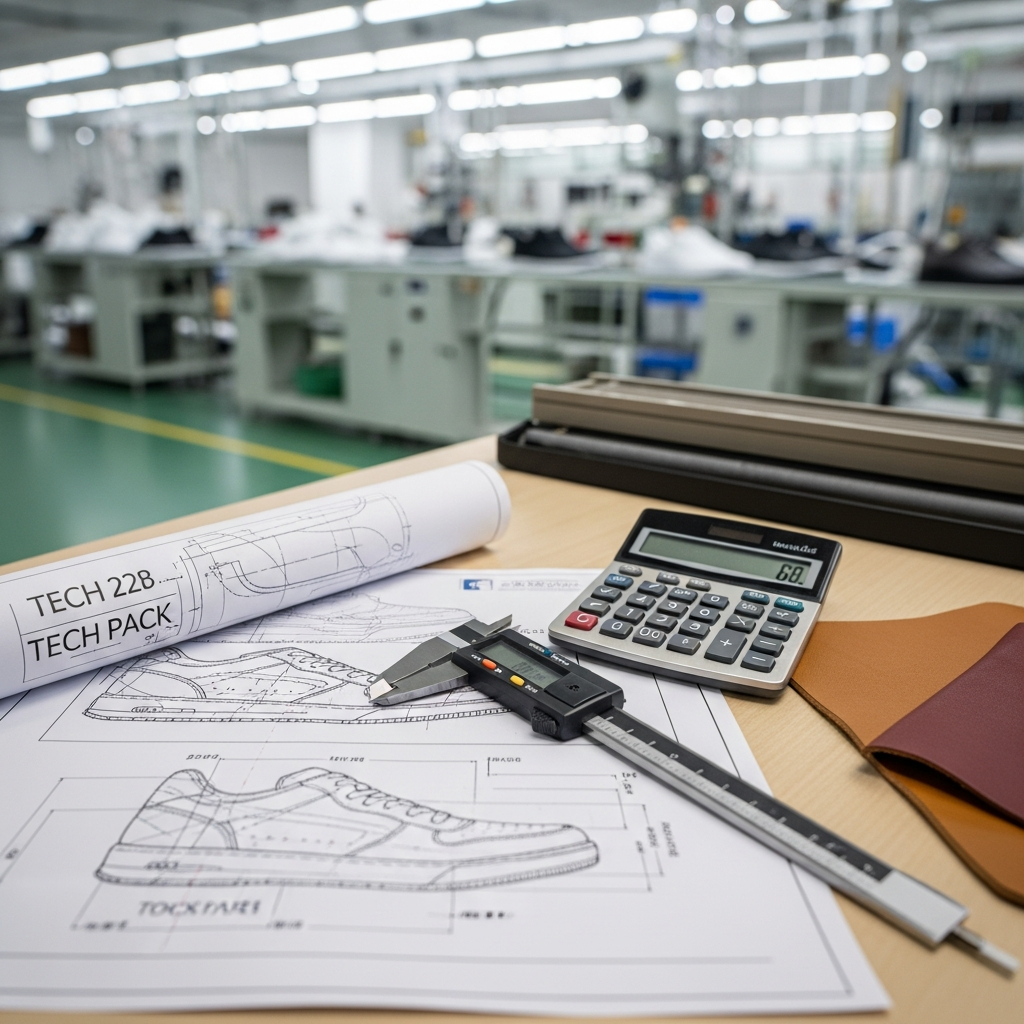
The wool is guided over heated polishing rolls to remove tangles, creating a silky luster. It is then precision-sheared to the exact height specified in your tech pack (usually 15mm to 17mm).
Step 4: Dyeing & Color Matching.
Double face is notoriously difficult to dye because the skin and wool absorb pigment at different rates.
Step 5: Water Repellency.
Because suede is naturally thirsty, a nano-tech water repellent is applied during the finishing stage. This ensures light rain or snow beads off the surface.
Technical Challenges in Assembly (Stitching & Lasting)
Manufacturing a double face boot is significantly harder than making a standard leather sneaker.
First is the “bulk” factor. Because the material is thick (skin plus 17mm of wool), standard stitching machines will chew up the hide. Factories must use specialized Overlock and Flatlock machines that handle the volume without creating bulky, uncomfortable seams that rub against the foot.
Then comes lasting precision. During the lasting process (pulling the upper over the foot mold), the thick wool compresses. If the factory doesn’t account for this “compression allowance” in their molds, the boots will feel too loose after just two days of wear. The lasts must be engineered specifically for shearling volume.
The Business Side: How Genuine Materials Boost Your ROI
You might wonder if your wholesale margins can handle the cost of genuine Australian Merino double face. The answer is yes, if you cut out the trading companies and go direct to a specialized OEM.
By partnering directly with a factory that understands this complex process, you avoid the markups of middlemen. More importantly, you drastically reduce the hidden costs of retail: customer returns, warranty claims, and bad online reviews caused by bonded glue failures. Authentic materials allow you to position your brand in the premium tier and command a much higher retail price.
Frequently Asked Questions for B2B Buyers
1. Is Australian sheepskin really better than Chinese sheepskin?
For double face exteriors, yes. Australian Merino sheep have evolved to grow denser, finer wool. Chinese sheepskins are excellent for internal shoe linings, but for the exterior of a premium boot, Australian raw material is the global benchmark.
2. How can I easily tell if a supplier is using “Bonded” material?
Perform a “Peel Test” on a corner of the sample. Also, look closely at the raw edges of the cut hide. In genuine double face, you will see a seamless transition. In bonded material, you can often see a thin line of dried adhesive or a fabric backing.
3. What is the standard wool height for winter boots?
The industry standard is 15mm to 17mm. Anything less feels thin and loses its insulating properties. Anything more makes the boot feel too tight and bulky.
4. Does double face shearling require an internal lining?
No. The beauty of double face is that it is unlined. Adding a synthetic lining would completely defeat the purpose of the natural material’s breathability.
5. How do you handle color bleeding from dark wool to light socks?
Top factories use high-fixation dyes and perform wet and dry Crocking Tests. For dark colors like Black or Navy, a “Color Lock” finish is applied to minimize pigment transfer.
6. Can double face boots be 100% waterproof?
They are water-resistant, not waterproof. While the suede is treated, the stitched seams are a weak point. For 100% waterproof claims, the boot requires a seam-sealed construction with an internal membrane, which is rare for classic shearling styles.
7. What is the MOQ for custom-dyed double face boots?
Because tanneries dye hides in large drums, the MOQ for custom colors is typically 800 to 1000 pairs. However, factories usually keep “Stock Colors” (Chestnut, Black, Grey) available for smaller orders of 500 pairs.
8. Is double face shearling considered sustainable?
Yes. It is a natural byproduct of the food industry. It is a biodegradable material that lasts for years, actively reducing the waste cycle associated with fast fashion and synthetic plastics.
9. How do you ensure the wool doesn’t shed everywhere?
Shedding is usually a result of poor shearing or loose wool left over from the cutting process. Premium factories use high-velocity air vacuums after cutting to remove all loose fibers before assembly.
10. Why do some shearling boots smell strongly of chemicals?
That is a massive red flag. It indicates poor tanning practices or the use of cheap, toxic adhesives in bonded materials. High-quality eco-tanned double face should only have a mild, natural leather scent.
Conclusion & Practical Advice for Brand Owners
In the footwear business, you get exactly what you pay for. Choosing genuine double face shearling is an investment in your brand’s longevity. It signals to your customers that you value craftsmanship over cheap shortcuts.
Here is your practical advice to save and share with your sourcing team:
Audit the Tannery, Not Just the Shoe Factory: Ask your manufacturer which tannery they use. Reputable tanneries (like those certified by the Leather Working Group) are essential for chemical compliance.
Check the “Hand-Feel”: The suede side should feel like velvet, not sandpaper. If it feels rough, the fatliquoring was insufficient, and the leather will tear easily.
Specify the “Micron”: If you want ultra-soft boots, specify a wool micron count of 24 or less in your tech pack. This is the secret to the luxury feel that sets top brands apart.
Stop risking your brand’s reputation on bonded imitations. If you are ready to upgrade your supply chain with a manufacturer who truly understands the art of the hide, we are here to help.
– To request a sheepskin twinface cut-section sample and see the genuine quality for yourself.
Send us your tech pack, and we’ll review your materials to ensure your next collection is fully production-ready.

 EN
EN  DE
DE  FR
FR  ES
ES  IT
IT  SV
SV  NB
NB  NL
NL  PL
PL  PT
PT  CS
CS  FA
FA  AR
AR  TR
TR  RU
RU  EL
EL  JA
JA  ID
ID  KO
KO