

If you are a footwear brand owner or a procurement director looking at the market in 2026, the landscape has shifted. Let’s be honest. Sustainability is no longer a “premium collection” or a niche marketing story. It is the baseline. With the full implementation of the EU’s Digital Product Passport and stricter ESG mandates across North America, your brand’s survival now depends on what is happening deep inside your supply chain.
At our facility in Wenzhou, we have spent the last three years retooling our entire production philosophy. We have seen the “Green Wave” move from simple recycled cardboard boxes to complex bio-material science. The challenge for B2B buyers today isn’t just finding “eco-friendly” materials. It is ensuring those materials meet the durability, scalability, and regulatory standards required for a global rollout. This guide will help you navigate the three pillars of sustainable footwear: Advanced Vegan Leathers, Recycled PET, and Water-Based Adhesives.
Vegan Leather: Moving Beyond the “Plastic” Trap
In the past, “vegan leather” was often just a polite term for cheap PU (polyurethane) or PVC. In 2026, that doesn’t fly anymore. Savvy consumers and regulators now distinguish between “synthetic vegan” and “bio-based vegan” materials. If your brand claims to be sustainable but your vegan leather is bonded with heavy layers of virgin plastic, you are going to face a transparency crisis.
The real innovation we see on the factory floor involves Mushroom Leather (Mycelium) and plant-based hybrids like grape, cactus, and pineapple fibers. These materials are no longer experimental. High-end brands use them to achieve a “luxury hand-feel” without the carbon footprint of traditional cowhide. But you need to be careful. Many “cactus leathers” still use a PU backing for strength. In 2026, the goal is to find circular alternatives that can be composted or recycled at the end of the shoe’s life.
Bio-based leathers are notoriously difficult to work with during the lasting process. Because they are natural fibers, they don’t always have the uniform stretch of synthetic PU. If your factory doesn’t adjust the tension on their lasting machines, these expensive materials will tear. You should ask your supplier: “Is this material 100% plastic-free, or is it a hybrid?” This is a critical question for your sustainable footwear sourcing strategy.
Recycled PET (rPET): Turning Waste into High-Performance Textiles
Recycled PET, made from post-consumer plastic bottles and ocean-bound plastic, is now the industry standard for sneaker mesh, linings, and laces. Brands like Allbirds and Cariuma have proven that rPET can meet high-performance standards. And the good news is that rPET now matches virgin polyester in almost every performance metric, including tensile strength and color fastness.
The key for B2B buyers in 2026 is traceability. The market is unfortunately flooded with “virgin polyester” being sold as recycled. This is why we insist on GRS (Global Recycled Standard) certification for every meter of fabric. Without a Transaction Certificate (TC), your sustainability claim is legally indefensible in the EU market.
Also, we see a shift toward combining rPET with natural technical fibers like eucalyptus or bamboo. This creates a “performance knit” that is not only recycled but also naturally antimicrobial and moisture-wicking. For a brand, the ROI here is excellent. The material cost increase for rPET is now only about 5% to 10% over virgin polyester. But the perceived value and compliance safety it provides are worth far more.
The Invisible Challenge: Water-Based Glues and Bonding Strength
This is the most overlooked part of sustainable footwear. It is also the most technically challenging. Traditional shoe cement is solvent-based. It releases high levels of Volatile Organic Compounds (VOCs). In 2026, the elimination of toxic glues is a non-negotiable requirement for “Vegan Certified” and “Eco-Friendly” labels.
Water-based adhesives are the new standard. But they come with a “factory floor” catch. They are extremely sensitive to humidity and temperature. In a humid manufacturing hub like Wenzhou, if a factory doesn’t have a sophisticated HVAC system and infrared drying tunnels, the glue won’t cure properly.
I have seen brands face massive recall rates because their “eco-friendly” soles started peeling off after two months. This wasn’t a glue failure. It was a factory infrastructure failure. When you audit a factory for 2026 production, don’t just look at their materials. Look at their climate control. If they aren’t monitoring the humidity in the bonding room, your shoes are at risk of delamination.
The Business Case: ROI and Compliance in 2026
I often hear procurement directors complain that sustainable materials add 15% to 20% to their FOB price. They ask how to justify this. The answer is simple: Risk Mitigation and Brand Equity. In 2026, the cost of non-compliance will be much higher. Fines for inaccurate ESG reporting or carbon taxes on “dirty” imports will far exceed that 20% premium.
Furthermore, sustainable shoes have a higher resale value and lower customer churn. Consumers are willing to pay more for a shoe that they know won’t sit in a landfill for 400 years. You aren’t just buying a shoe. You are buying insurance for your brand’s future. By choosing the right eco-friendly shoe manufacturer, you protect your margins in the long run.
FAQ: Common Questions from B2B Buyers
1. Is mushroom leather (Mycelium) durable enough for daily wear?
Yes. By 2026, Mycelium technology has advanced to match the tensile strength of traditional calf leather. But it requires a specific “fatliquoring” process during tanning to ensure it doesn’t become brittle over time.
2. What is the difference between GRS and GOTS certifications?
GRS (Global Recycled Standard) applies to recycled materials like rPET. GOTS (Global Organic Textile Standard) applies to natural fibers like organic cotton or hemp. For a sustainable sneaker, you usually need both.
3. Can water-based glues handle high-performance sports use?
Absolutely. Most major athletic brands have already switched. The bond is just as strong as solvent-based glue. But the factory must use specialized UV and infrared curing tunnels.
4. Why is “Ocean Plastic” more expensive than standard recycled plastic?
The logistics of collecting, cleaning, and processing plastic recovered from the ocean are much more complex. You are paying for the “environmental cleanup” story. It is a powerful marketing tool for B2B brands.
5. How do I know if my “Vegan Leather” is actually just plastic?
Ask for a Bio-based Content Test (ASTM D6866). This measures the amount of carbon derived from renewable sources versus fossil fuels. If the score is low, it’s just plastic.
6. What is “Design for Disassembly”?
It is a construction method where the shoe can be easily taken apart at the end of its life. We often use “stitch-down” construction instead of permanent glues. This allows the rubber and fabric to be recycled separately.
7. Are there sustainable options for shoe outsoles in 2026?
Yes. We now use Bio-EVA (made from sugarcane) and Natural Rubber (FSC-certified). These provide the same “bounce” as traditional soles but are carbon-negative.
8. Does sustainable sourcing increase lead times?
Yes. Typically by 2 to 3 weeks. Bio-materials and certified recycled fabrics are often made to order. They require stricter quality control testing before production begins.
9. What is the EU Digital Product Passport?
It is a mandatory digital record for products sold in the EU. It contains information on origin, material composition, and recyclability. It is accessed via a QR code on the product.
10. Can your factory help with sustainability certifications?
Yes. We provide full documentation. This includes GRS Transaction Certificates, REACH compliance reports, and factory audit results (BSCI/ISO) to ensure your brand meets all international standards.
Conclusion
Sourcing sustainable footwear in 2026 is about moving from “doing less harm” to “doing more good.” The brands that will dominate the next decade are those that embrace transparency. They invest in bio-material innovation. And they partner with factories that have the technical infrastructure to handle eco-friendly chemistry.
Here is your 2026 Sourcing Checklist:
Audit for Circularity: Ask your factory if the shoe can be disassembled.
Verify the “Bio” Claim: Don’t accept “Vegan” as a synonym for “Sustainable.” Demand bio-based content data.
Check the Glue Room: Ensure your manufacturer has the HVAC and IR equipment necessary for water-based adhesives.
At our Wenzhou facility, we don’t just follow trends. We build the infrastructure to support them. We combine legendary manufacturing efficiency with the world’s most advanced sustainable material science.
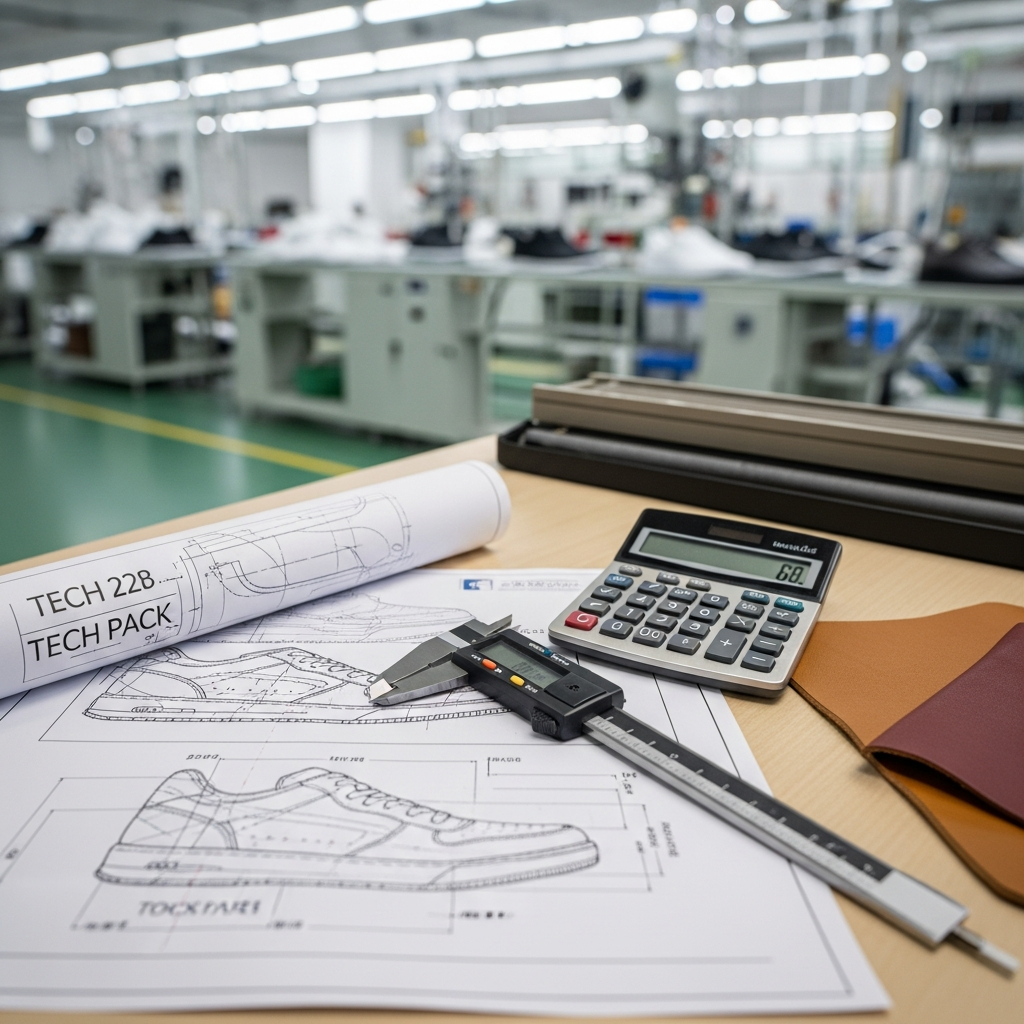
Ready to future-proof your brand? Contact our technical team today. We can provide a full audit of your current tech pack. We will suggest sustainable swaps that won’t compromise your performance or your margins.
📧 Email us at: sales@jinhuashoes.com (Get a personalized sustainable sourcing strategy within 12 hours.)


 EN
EN  DE
DE  FR
FR  ES
ES  IT
IT  SV
SV  NB
NB  NL
NL  PL
PL  PT
PT  CS
CS  FA
FA  AR
AR  TR
TR  RU
RU  EL
EL  JA
JA  ID
ID  KO
KO