
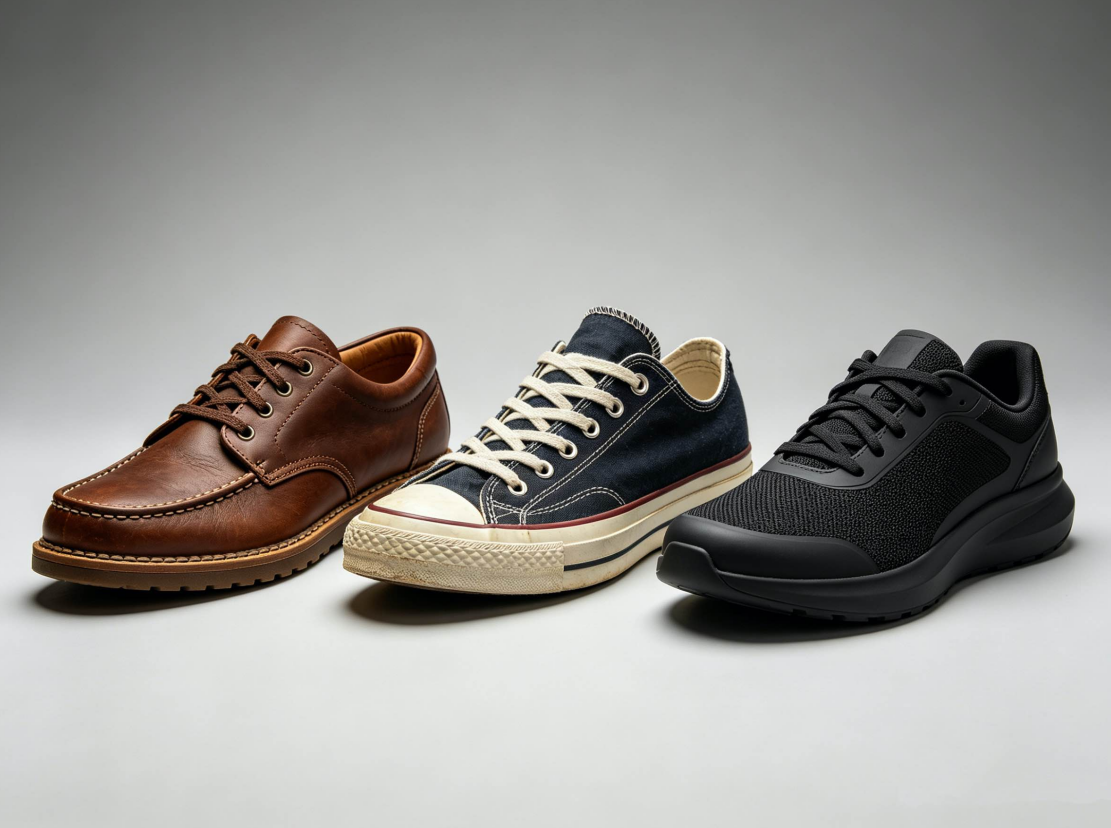
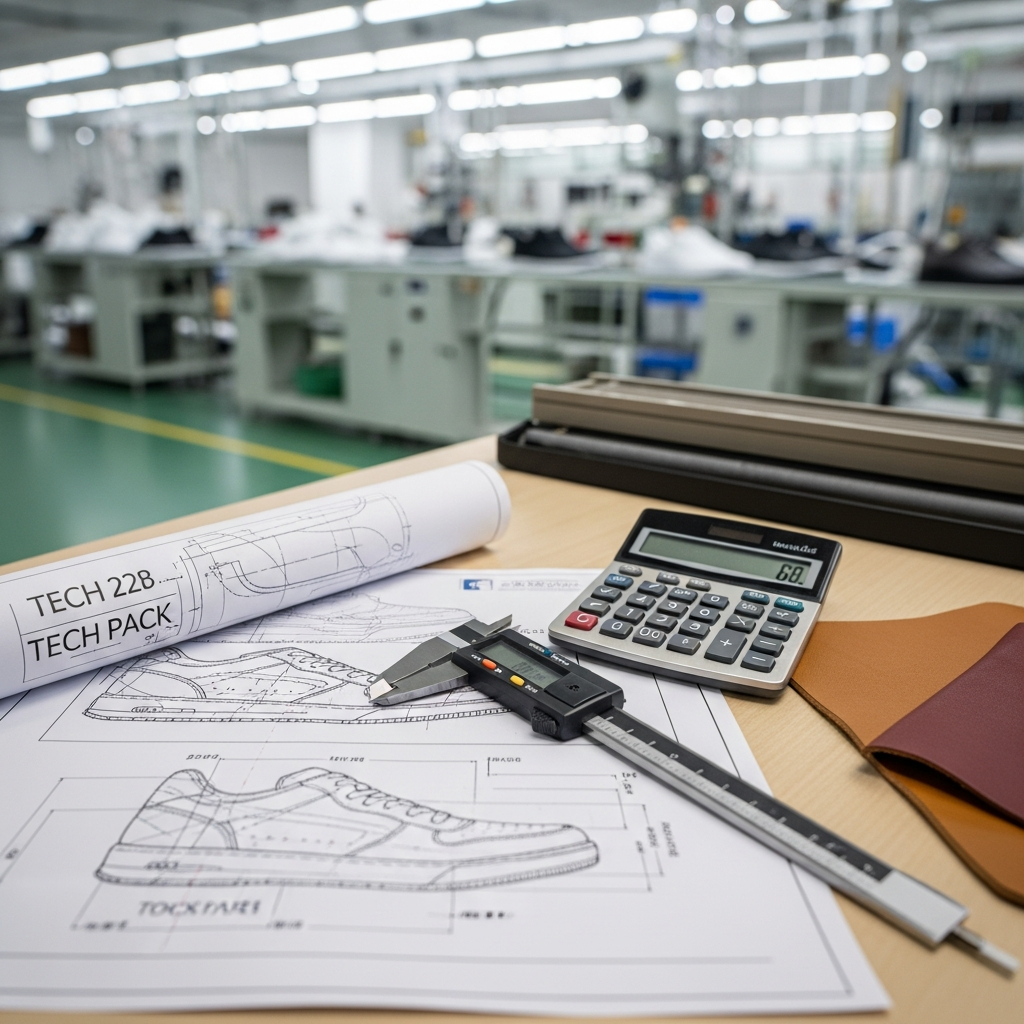
Every week at our Jinhua Shoes facility here in Wenzhou, China, I sit down with tech packs sent by ambitious footwear founders from the US, Europe, and Australia. They spend months obsessing over the upper materials, the exact Pantone colors, and the placement of their logos. But when I look at the sole construction specifications, I often see a disaster waiting to happen.
Just last month, a client sent us a beautiful design for a skate shoe. They wanted a classic vulcanized rubber look, but they specified an ultra-lightweight EVA foam midsole for extra comfort. I had to get on a Zoom call and explain a harsh reality of factory physics: if we put EVA foam into a vulcanizing oven at 150°C, it will completely melt into a puddle.
The shoe construction method you choose—how the sole is attached to the upper—is not just a minor technical detail. It is the single most important decision you will make. It dictates your Minimum Order Quantity (MOQ), your upfront tooling costs, your material limitations, and ultimately, your profit margins.
As an integrated industry and trade company with over two decades of OEM and ODM experience, we have seen brands succeed, and we have seen them fail simply because they chose the wrong manufacturing process. Today, I am going to take you off the design board and onto the factory floor. We are going to break down the exact technical and commercial differences between the three dominant shoe construction methods: Cold Cement, Vulcanized, and Injection Molding.
We will skip the fluffy design talk. This is a hard-hitting guide for procurement directors and brand owners who want to understand factory physics, control their supply chain, and maximize their ROI.
The Core Problem: Why Brands Bleed Money on the Wrong Sole Attachment
Before we dive into the specific methods, you need to understand how factories calculate your costs. Your unit price is not just the cost of leather and rubber. It is a math equation based on labor time, machine energy, and mold amortization.
If you design a shoe that requires heavy manual labor (like cold cement) but you are trying to sell it at a discount supermarket price, your margins will vanish. On the flip side, if you want to test a brand new, unproven design with a small batch of 300 pairs, but you choose a highly automated method (like injection molding), the factory will charge you thousands of dollars just to open the steel molds. You will be bankrupt before the shoes even ship.
Matching your business model to the correct construction method is the secret to a profitable footwear brand. Let’s look at your three main options.
| Method | Initial Tooling Cost | Labor Cost | Production Speed | Best For |
|---|---|---|---|---|
| Injection | High | Very Low | Very Fast | High Volume (Mass Market) |
| Cemented | Low-Moderate | Moderate | Fast | Fashion & Performance |
| Vulcanized | Moderate-High | Moderate | Moderate | Durable Casual |
Cold Cement Construction (Cemented): The High-Performance Standard
If you look at modern running shoes, basketball sneakers, or high-end fashion footwear, you are looking at cold cement construction. In the 1980s, this method revolutionized the industry, allowing brands like Nike and Adidas to build lighter, faster shoes. Today, it is the most versatile method on our Jinhua Shoes assembly lines.
The Physics: Strobel Bottoms and Hydraulic Presses
The cold cement process is highly technical and involves multiple stations. First, the shoe upper is usually paired with a Strobel bottom. Instead of a stiff cardboard base, a flexible fabric board is stitched directly to the bottom edge of the upper, closing it like a sock.
Next, the upper is steamed to soften the materials. A plastic foot mold (the last) is inserted, and the upper is pulled tight. While this happens, the sole unit is prepared in a separate process called stock fitting. Workers glue the rubber tread to the cushioning midsole.
Then comes the critical bonding phase. Both the upper and the sole unit receive a specific chemical primer. We use different primers depending on the material—one for leather, a different one for nylon. Then, industrial contact cement is applied. The parts pass through heating tunnels to activate the glue. Finally, a skilled worker aligns the pieces by hand and places the shoe into a hydraulic press. The machine presses the shoe vertically, at the toe, the heel, and the sides to ensure a permanent, gap-free bond.
Material Compatibility: Why EVA and Plastics Win
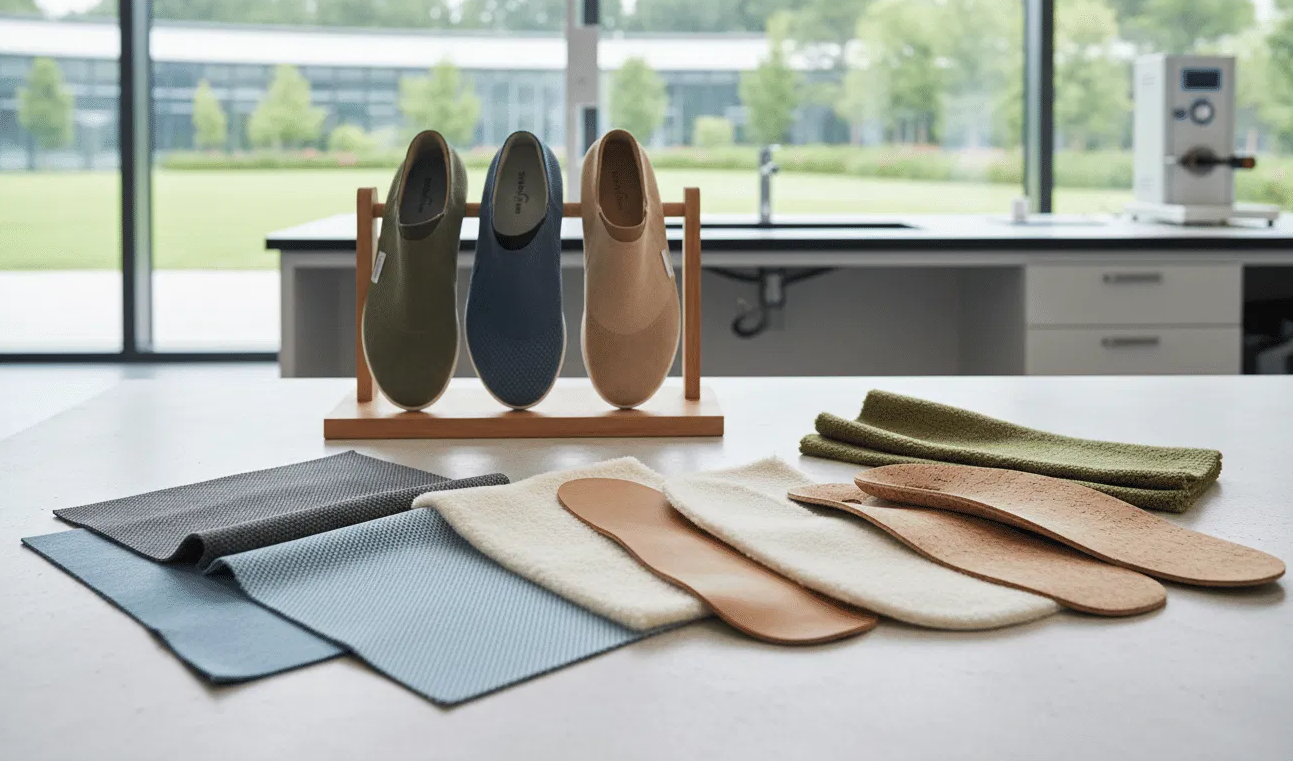
The biggest advantage of cold cement is temperature. Because this process uses relatively low heat to activate the glue, it allows you to use modern, lightweight materials. You can design uppers with breathable nylon mesh, TPU plastics, and synthetic leathers. More importantly, you can use EVA (Ethylene-Vinyl Acetate) foam or PU foam for the midsole. This provides incredible cushioning at a fraction of the weight of solid rubber.
The Margin Impact: Low MOQs vs. Higher Labor Costs
From a B2B sourcing perspective, cold cement is incredibly friendly to new brands and mid-sized retailers. The tooling costs are relatively low. You only need to pay for the aluminum molds to press the rubber outsoles, not the entire shoe.
Because the mold costs are lower, factories like ours can offer lower MOQs (typically 300 to 500 pairs per colorway).
But there is a trade-off. Cold cement requires a lot of manual labor. Workers have to carefully brush on the primer, apply the glue, and operate the presses. Because human labor is involved, your cost per unit will be higher compared to automated methods. You make up for this by positioning the shoe as a premium product and commanding a higher retail price.
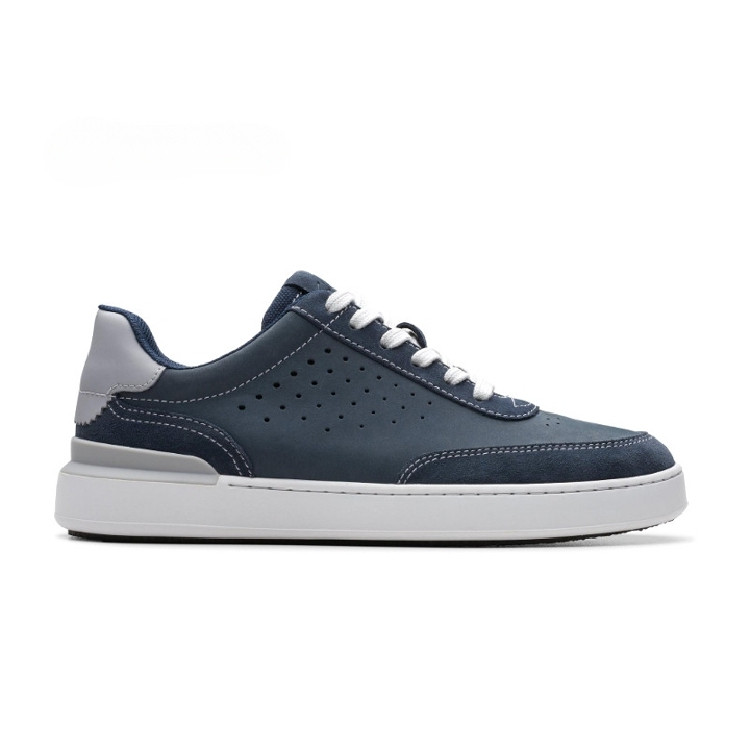
Vulcanized Construction: The Streetwear & Skate Classic
If you want to build a skate brand or a casual lifestyle label, you need vulcanized construction. Think of classic Converse or Vans. It is a much older technology, but it made a massive comeback in the last decade. However, the factory setup for vulcanized shoes is completely different, and it comes with strict rules.
The Physics: Aluminum Lasts and the Autoclave Oven
You cannot use standard plastic lasts for vulcanized shoes. The factory must use aluminum lasts (metal foot molds).
Instead of a flexible Strobel bottom, vulcanized shoes use board lasting. A paper fiberboard is cemented to the bottom of the metal last to provide stiffness. The upper is pulled down and bonded to this board.
The most critical component is the foxing tape—the textured rubber strip that wraps around the edge of the shoe. This tape must be made from uncured rubber just before assembly. It must overlap the upper by exactly 5mm to ensure a solid bond.
Finally, the entire shoe (still on the metal last) is wheeled into a massive vulcanizing oven (autoclave). It is cooked at around 120°C to 160°C for over an hour. The heat causes a chemical reaction (cross-linking of the polymers), fusing the uncured foxing tape, the rubber sole, and the upper into one solid, indestructible piece.
Material Limits: The Strict Rules of Canvas and Suede
Due to the extreme heat of the oven, your material options are strictly limited. As I mentioned earlier, you cannot use EVA foam. It will melt. You cannot use standard plastics or cheap synthetic PU leathers. They will burn, shrink, or discolor.
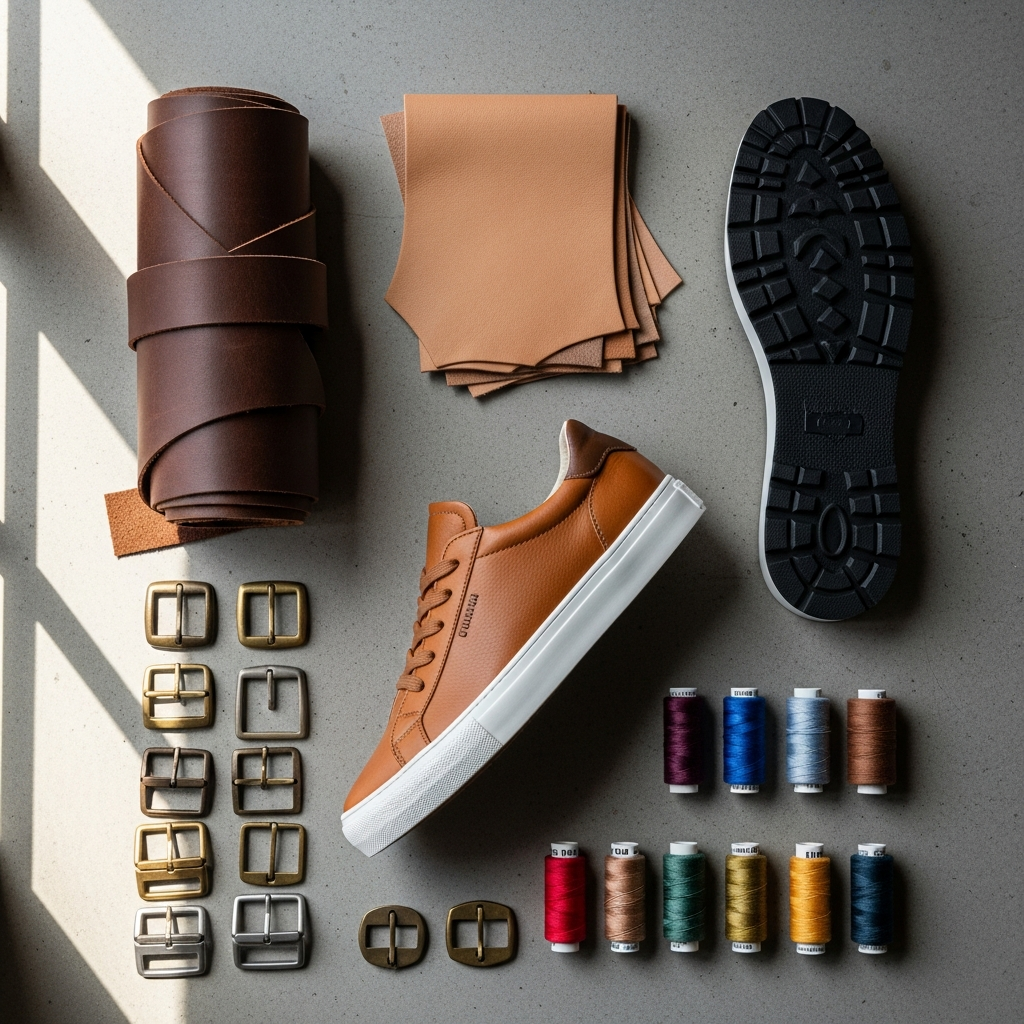
This is why almost all classic vulcanized shoes use heavy cotton canvas or natural suede leather. The midsole filler is usually made from sponge rubber, not foam.
The Margin Impact: Cheap Materials vs. High Energy Costs
Vulcanized shoes are heavy and incredibly durable. From a margin perspective, the raw material costs are very low because you are primarily using basic cotton and rubber.
However, running massive industrial ovens requires a massive amount of electricity and time. To make the production run efficient, factories cannot turn on an oven for just 100 pairs. Therefore, MOQs for vulcanized shoes are higher—usually starting around 800 to 1,000 pairs. If you are targeting the youth streetwear market, the margins are excellent because the raw materials are cheap, and the aesthetic never goes out of style.
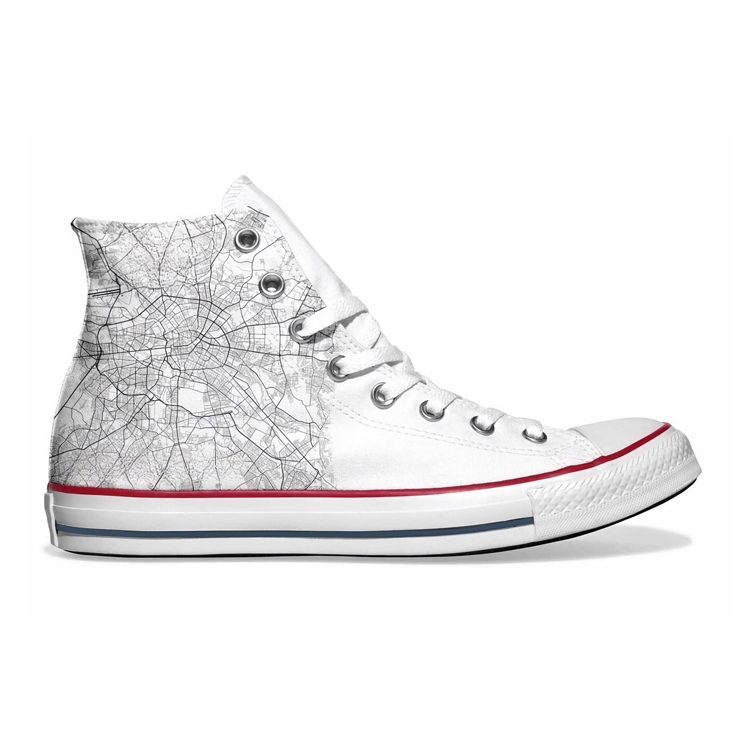
Injection Molding (PU/PVC/TPR): The Mass-Market Profit Engine
While cold cement and vulcanized methods dominate the fashion and athletic worlds, we must talk about Injection Molding (often called DIP – Direct Injection Process). If you are a procurement director for a major supermarket chain, a uniform supplier, or a safety boot brand, this is your goldmine.
The Physics: Direct Injection Process Automation
Injection molding is pure industrial automation. The stitched upper is placed onto a metal foot mold. Then, a massive, expensive machine (like a DESMA rotary machine) clamps a mold cavity directly beneath and around the upper.
The machine injects liquid polyurethane (PU), PVC, or TPR directly into the mold. The liquid expands, fills the cavity, cools, and permanently bonds to the upper material in a matter of seconds. There is no glue, no foxing tape, no stitching, and no baking.
The Margin Impact: Massive Mold Costs vs. Rock-Bottom Unit Prices
Because the sole attachment is fully automated, the labor cost is incredibly low. You can produce thousands of pairs a day at pennies on the dollar. The bond is also watertight and incredibly strong, which is why most safety work boots use this method.
But the barrier to entry is brutal. The steel molds required for injection machines are highly complex. You might pay $2,000 to $4,000 per size just for the molds. If you have a size run from 7 to 13, your upfront tooling cost is massive.
Because of this, factories will demand huge MOQs—often 3,000 to 5,000 pairs per style. Injection is a terrible choice for a startup testing a new fashion design. But if you have a proven school shoe design and you need 50,000 pairs for a global retail rollout, injection molding will give you the highest profit margin possible.
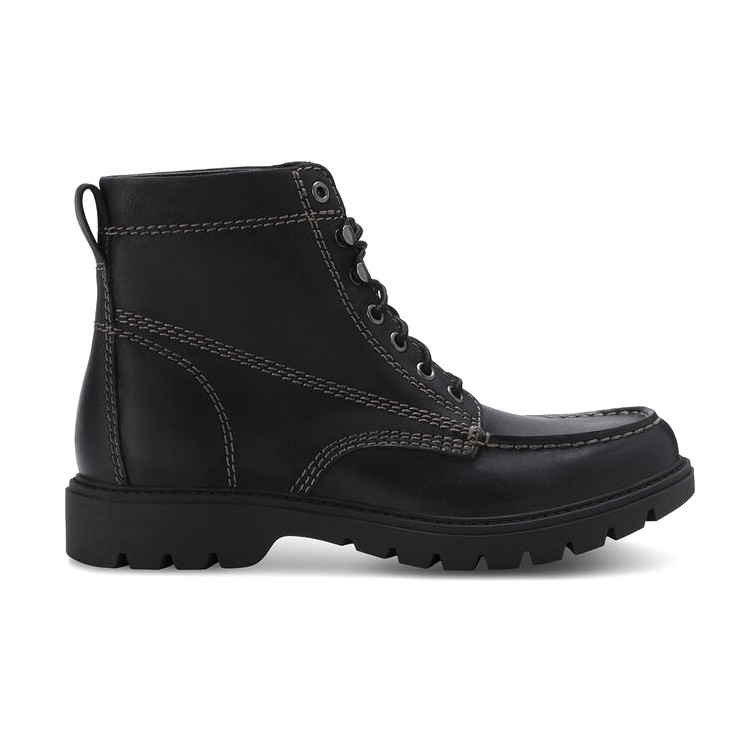
The Jinhua Shoes Decision Matrix: How to Choose
At Jinhua Shoes, we don’t just take your order and blindly manufacture it. We act as your technical consultants. Here is the framework we use to advise our B2B clients:
Choose Cold Cement if: You are building a premium athletic, outdoor, or modern lifestyle brand. You need complex designs, lightweight EVA cushioning, and the flexibility to test the market with smaller MOQs (300-500 pairs).
Choose Vulcanized if: You are selling skate shoes or classic streetwear. You want that iconic, retro look. You are happy using canvas or suede, and you can handle slightly higher MOQs (800+ pairs) to keep the factory ovens running efficiently.
Choose Injection if: You are in the high-volume, mass-market game. You are producing safety boots, school shoes, or basic casuals where saving pennies on labor justifies spending thousands on steel molds (3,000+ pairs).
Frequently Asked Questions (FAQ)
1. Why can’t I use an EVA foam midsole in my vulcanized sneaker design?
Vulcanized shoes are baked in an autoclave oven at 120°C to 160°C for over an hour to cure the rubber. EVA (Ethylene-Vinyl Acetate) foam cannot withstand this heat. It will melt and collapse. You must use cold cement construction if you want lightweight EVA cushioning.
2. What is a Strobel bottom, and why is it used in cold cement shoes?
A Strobel bottom is a thin, flexible fabric sheet stitched directly to the bottom edge of the shoe upper, closing it like a sock. It replaces the stiff cardboard lasting board used in older shoes. This makes modern running shoes incredibly lightweight and flexible.
3. Why do vulcanized shoes require aluminum lasts?
The shoe must remain on the foot mold (the last) while it is cooked in the vulcanizing oven. Standard plastic lasts would melt. Aluminum lasts survive the extreme heat and also transfer temperature efficiently, helping the rubber cure faster and more evenly.
4. What happens if a factory uses old foxing tape on a vulcanized shoe?
The foxing tape must be made of uncured rubber. If the rubber sits in a warehouse and ages, it begins to cure naturally. When it goes into the oven, it will not chemically fuse with the outsole and the upper, leading to severe peeling and customer returns.
5. Is cold cement construction prone to sole separation?
Only if the factory cuts corners. At Jinhua Shoes, we use specific chemical primers for different materials (one for the EVA, one for the rubber, one for the upper) and press the shoe in a 4-way hydraulic machine to ensure a permanent, industrial-strength bond.
6. Can I use synthetic leather on a vulcanized shoe?
Generally, no. Most standard synthetic leathers (PU/PVC) will melt, shrink, or discolor in the vulcanizing oven. You should stick to natural suede, heavy cotton canvas, or specifically engineered heat-resistant materials.
7. Why are the MOQs higher for vulcanized shoes compared to cold cement?
Heating a massive industrial vulcanizing oven takes a lot of energy and time. It is not cost-effective for a factory to turn on the ovens for just 200 pairs of shoes. Cold cement relies more on manual labor and smaller heating tunnels, making smaller batches easier to manage.
8. What is “stock fitting” in the shoe manufacturing process?
Stock fitting is a sub-assembly process used in cold cement construction. Before the sole is attached to the upper, workers assemble the bottom unit separately—for example, gluing the rubber tread to the EVA foam midsole and painting any color details on the sole.
9. How much should the foxing tape overlap the upper on a skate shoe?
For a secure, durable bond in vulcanized construction, the rubber foxing tape must overlap the upper material by at least 5mm. Anything less risks separation during heavy use or skateboarding.
10. How do I know which method my current supplier is using?
Look at the edge where the sole meets the upper. If you see a textured rubber tape wrapping around the shoe covering the seam, it is vulcanized. If you see a clean line where a foam or rubber sole meets the upper (sometimes with a tiny trace of clear glue), it is cold cement. If the sole looks perfectly molded into the fabric with zero gaps and no glue, it is likely injected.
Conclusion & CTA: Turn Your Tech Pack Into Reality
Your footwear supply chain should never be a guessing game. Understanding the deep technical differences between cold cement, vulcanized, and injection construction is the secret to controlling your costs, avoiding production disasters, and scaling your brand safely.
You do not want to design a beautiful canvas shoe only to find out your factory used the wrong primer in a cold cement process, causing the soles to fall off. And you certainly do not want to specify EVA foam for a vulcanized skate shoe and delay your launch by months. The best footwear brands align their product design with the correct manufacturing physics right from the start.
Are you unsure if your current tech pack is optimized for the right factory assembly line? We can help. Since 2004, Jinhua Shoes has been the trusted OEM & ODM engine behind leading brands across the globe. We combine the cost advantages of Wenzhou’s mature supply chain with a relentless obsession with technical details.
Got a project in mind? Let’s turn it into reality. – Send your tech packs or design ideas to our expert team. We will review your designs, materials, and target price, and tell you exactly which construction method will give your brand the best ROI.
📧 Email us at: sales@jinhuashoes.com (You will get personalized expert feedback within 12 hours.)
 EN
EN  DE
DE  FR
FR  ES
ES  IT
IT  SV
SV  NB
NB  NL
NL  PL
PL  PT
PT  CS
CS  FA
FA  AR
AR  TR
TR  RU
RU  EL
EL  JA
JA  ID
ID  KO
KO